
Developmental Play for 6–18 Months: What the Research Says & What to Use

Play isn’t just fun — it’s a baby’s first job. From the moment a child is born, their brain is absorbing, experimenting and building neural connections at a staggering pace. Between 6 and 18 months, babies make some of the most impressive developmental leaps of early childhood: sitting up, exploring objects with intent, imitating actions, and beginning to understand cause and effect
At Skip Hop New Zealand, we believe the best play is play that supports real developmental milestones. So what does the science say — and what types of toys genuinely help?
Why Play Matters at Every Stage
Research shows that early experiences shape brain architecture. Rich, responsive, interactive play supports language development, motor skills, problem‑solving, and social‑emotional growth. In this age range, babies are especially primed to learn through active exploration, repetition, and interaction with caregivers.
Key developmental domains influenced by play include:
-
Cognitive growth – curiosity, memory, object permanence
-
Motor development – reaching, grasping, crawling, cruising
-
Language & communication – babbling, imitation, turn‑taking
-
Social‑emotional skills – trust, shared attention, play routines
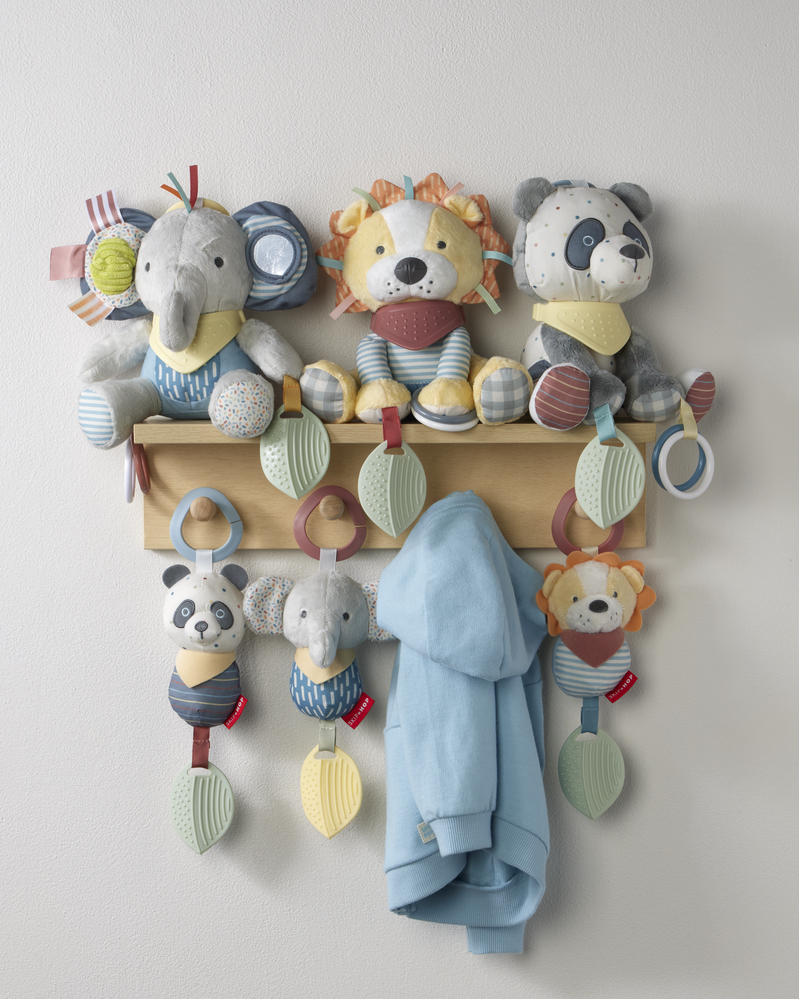
Developmental Milestones by Age
Here’s a snapshot of what typically happens between 6–18 months — and how play supports these milestones
6–9 Months: Sitting, Reaching & Object Exploration
Around this age, babies:
-
Sit with or without support
-
Transfer objects between hands
-
Explore toys by mouthing, shaking and banging
Play that helps:
Toys that are safe to grasp, shake, and explore textures encourage fine motor skills and sensory learning.
What to use:
-
Toys with different textures and sounds
-
Lightweight objects that encourage grasp & release
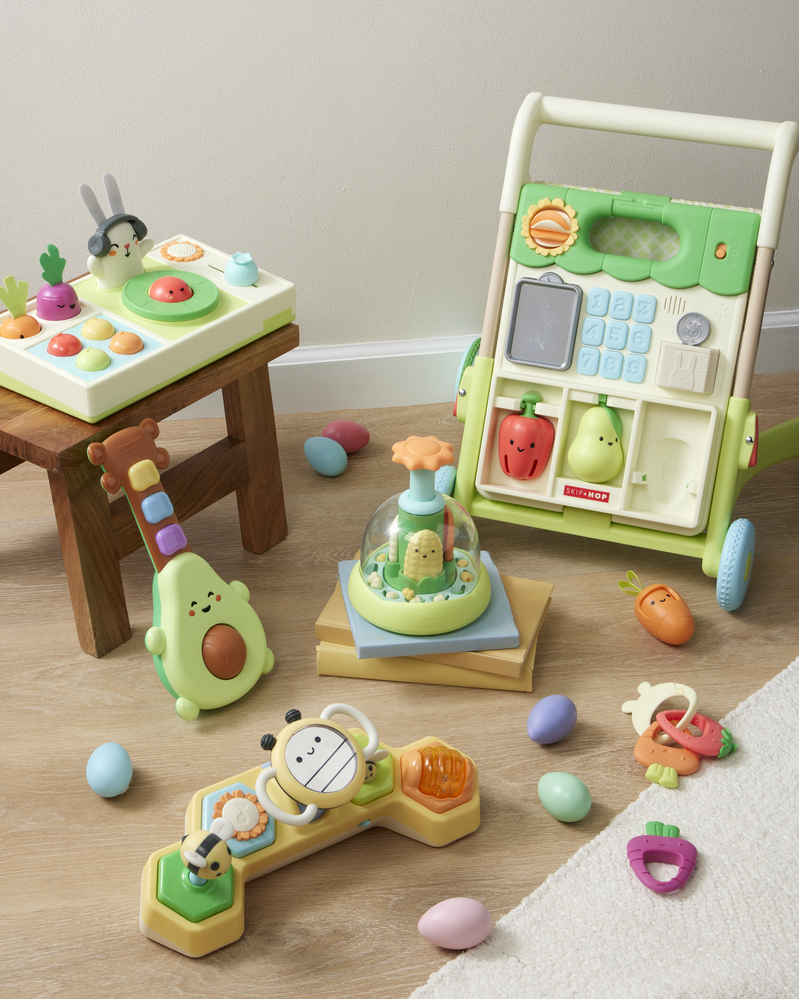
9–12 Months: Crawling, Cruising & Problem Solving
Babies are increasingly mobile and curious:
-
Crawling or starting to pull to stand
-
Understanding object permanence (things exist even when out of sight)
-
Imitating simple actions
Play that helps:
Cause‑and‑effect toys, stacking shapes, and hide‑and‑seek games that support problem solving and motor planning.
What to use:
-
Stacking and sorting toys
-
Pop‑up and cause‑effect toys
-
Soft blocks that support standing play
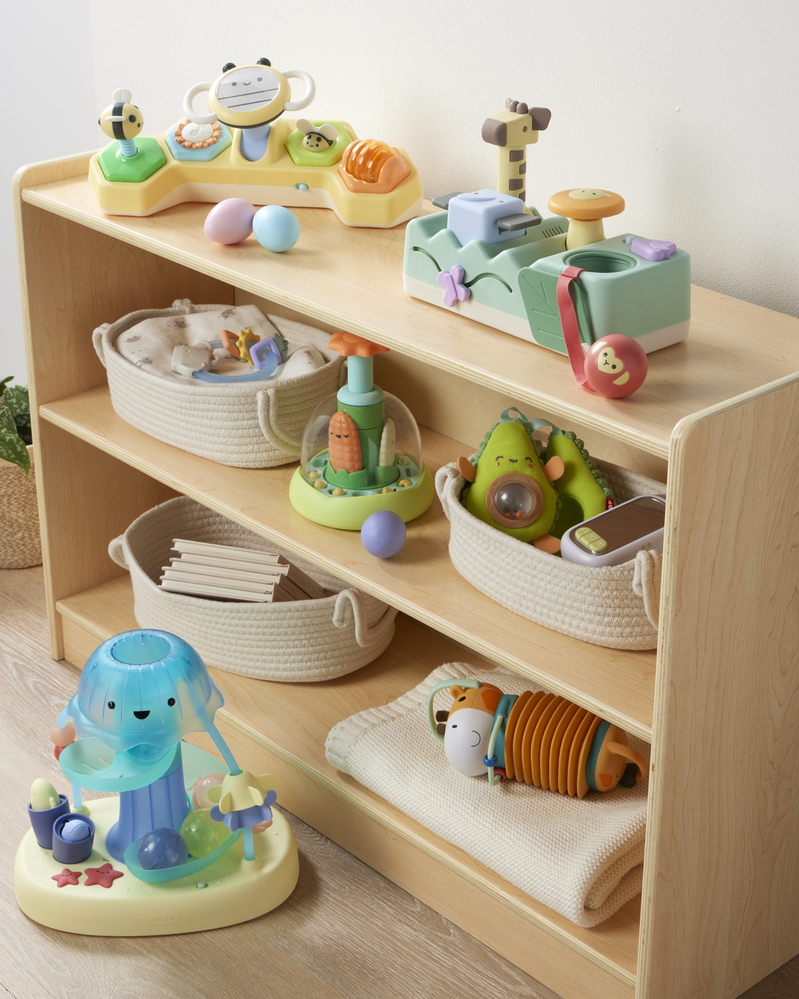
12–18 Months: Walking, Words & Interactive Play
Toddlers at this stage are:
-
Walking confidently and exploring independently
-
Adding simple words to their communication
-
Engaging in early pretend play
Play that helps:
Open‑ended toys that support imagination, vocabulary growth, and social interaction with caregivers or other children.
What to use:
-
Push & pull toys
-
Pretend play props
-
Simple puzzles
-
Musical toys with buttons and rhythms
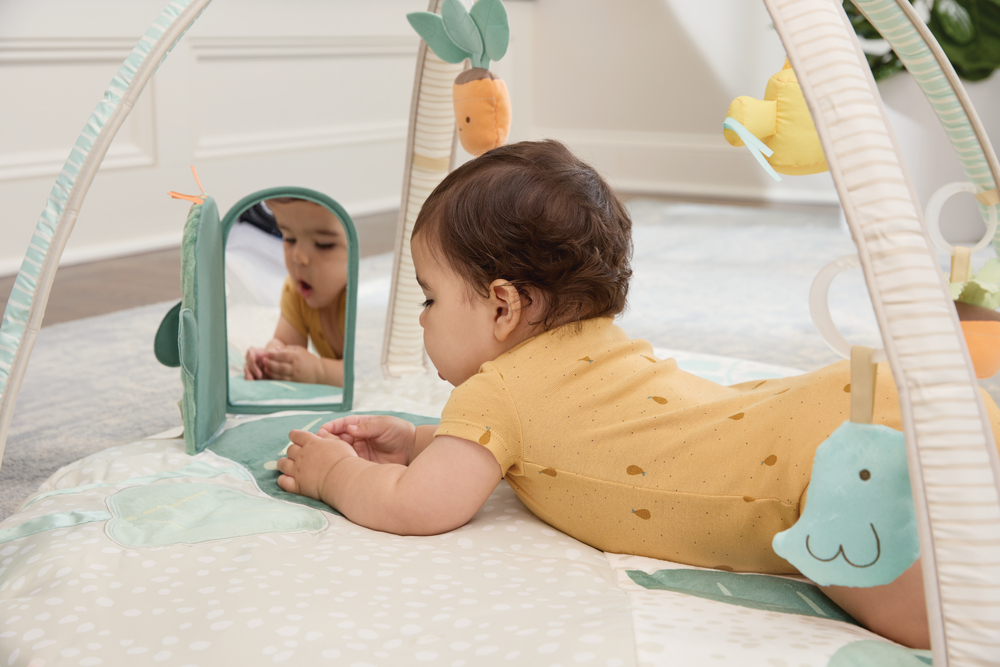
What the Research Says About Toy Quality
1. Open‑Ended Play is Best
Research consistently highlights the benefits of open‑ended toys — those without a fixed “right” way to play. These toys let babies explore, invent and use imagination, which supports creativity and decision‑making skills
Think blocks, stacking cups, soft figures — not just light‑up gadgets
2. Interactive Play with Adults Matters Most
While toys are tools, the real magic happens in social interaction. Babies learn language, turn‑taking, and emotional regulation when adults play with them — narrating actions, asking questions, and celebrating discoveries
A rattle is more stimulating when a caregiver shakes it and makes eye‑contact
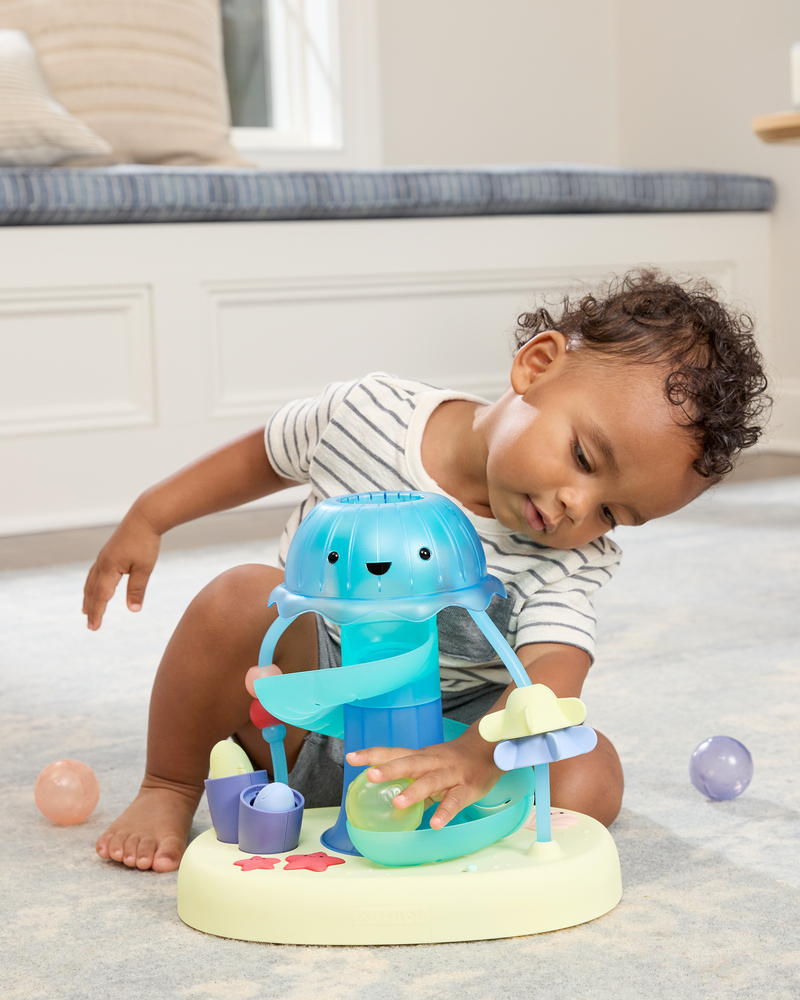
3. Sensory Variety Builds Connections
Toys that incorporate different sensory experiences — textures, sounds, moving parts — build richer neural associations. Sensory play also improves attention and fine motor coordination
Soft textured surfaces, crinkles, mirrors, and gentle chimes are wonderful for exploration
Skip Hop Picks for 6–18 Months
Here are some standout toys and play essentials that fit developmental goals and spark joy:
Tummy Time & Early Grasping
-
Soft toys with crinkle textures
-
Lightweight rattles with easy grips
-
Sensory rings
Great for strengthening neck and arm muscles while exploring textures
Cause & Effect + Problem Solving
-
Pop‑up toys
-
Stacking cups and rings
-
Simple shape sorters
These heighten curiosity, teach cause and effect, and build hand‑eye coordination
Mobility & Confidence
-
Push toys for early walkers
-
Rolling toys to chase and retrieve
Supports balance, coordination and provides motivation to move
Language & Pretend Play
-
Plush characters
-
Soft play sets (e.g., food, animals)
-
Props for interactive story time
Encourages early vocabulary and shared play routines
Toy Safety Tips
-
Avoid small parts that can be choking hazards.
-
Choose non‑toxic, BPA‑free, easy‑clean materials.
-
Always supervise play, especially as mobility increases.
From tummy time to walking adventures, every bit of play between 6 and 18 months contributes to a baby’s development. The best toys are simple, open‑ended, and invite interaction — with adults and with the world around them
Skip Hop’s range is designed to support these stages with thoughtful features that help little minds grow big
Ready to play?
Let’s build skills — one moment of joy at a time!